Blog
Summaries, translations, bookmarks and the occasional photo. RSS
#ai-agents#ai-and-work#ai-infrastructure#ai-tools#astronomy#dehesa-boyal#economics#engineering#family#games#generative-ai#mathematics#personal-software#product#thinking#walks#weather
October 2026
- Если ваша команда слишком занята «обычной работой», чтобы экспериментировать с ИИ, вы готовите её к замене
Джеффри Хантли — о том, почему руководителям нужно выделять время на освоение ИИ, как меняются требования к разработчикам и кого нанимать в 2026 году.
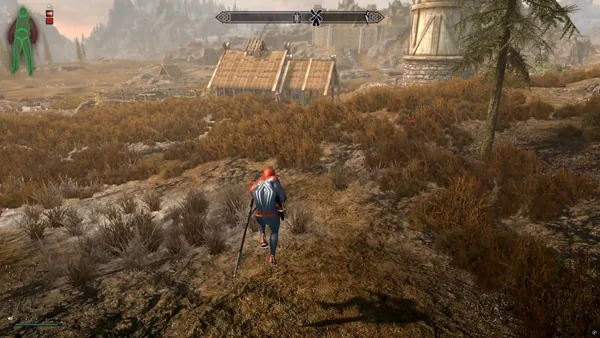
- Моддинг игр с AI
Minecraft в Elden Ring, Человек-паук в Batman и оружие Counter-Strike в мире блоков — безумные игровые кроссоверы эпохи AI.
- Создание игр
Короткая подборка ресурсов о создании игр с AI — от 3D-ассетов и анимации до готовой браузерной игры.

September 2026
- Что теперь вообще считать операционной системой?
Томас Птачек — о мире, где люди создают приложения для собственных нужд с помощью ИИ, а привычная модель операционных систем и смартфонов перестаёт соответствовать реальности.
August 2026
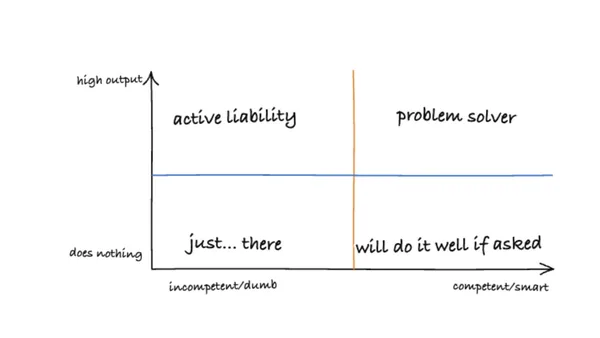
- AI is removing the middle class of software engineering
AI makes implementation cheap while understanding and review remain slow, increasing the value of engineers whose decisions and code can be trusted.
- How solitude gives fragile ideas time to become good
Henrik and Johanna Karlsson on the private mental state where original questions emerge, through the working notes of Alexander Grothendieck and Ingmar Bergman.
- Superhuman AI could produce endless mathematics and still make the field worse
Daniel Litt's deliberately pessimistic scenario for AI mathematics: papers and proofs become abundant while attention, understanding, trust, mentorship, and open exchange collapse.
- Type it yourself: a deliberately slow workflow for AI-generated code
Ankur Sethi uses an LLM to propose code in chat, then types every edit himself—trading maximal speed for comprehension, taste, and a durable mental map of the codebase.



July 2026
- AI development in 2026 is a workflow problem, not a coding problem
Notes from Kirill Mokevnin on the tools, workflows, metrics, and anti-patterns emerging as companies move from AI-assisted coding toward AI across the software-development lifecycle.
- AI agents are easy to demo and hard to make real
Andrej Karpathy on why OpenAI’s first computer-use agents failed, why model capability had to come first, and why agent builders should think in decades rather than demos.
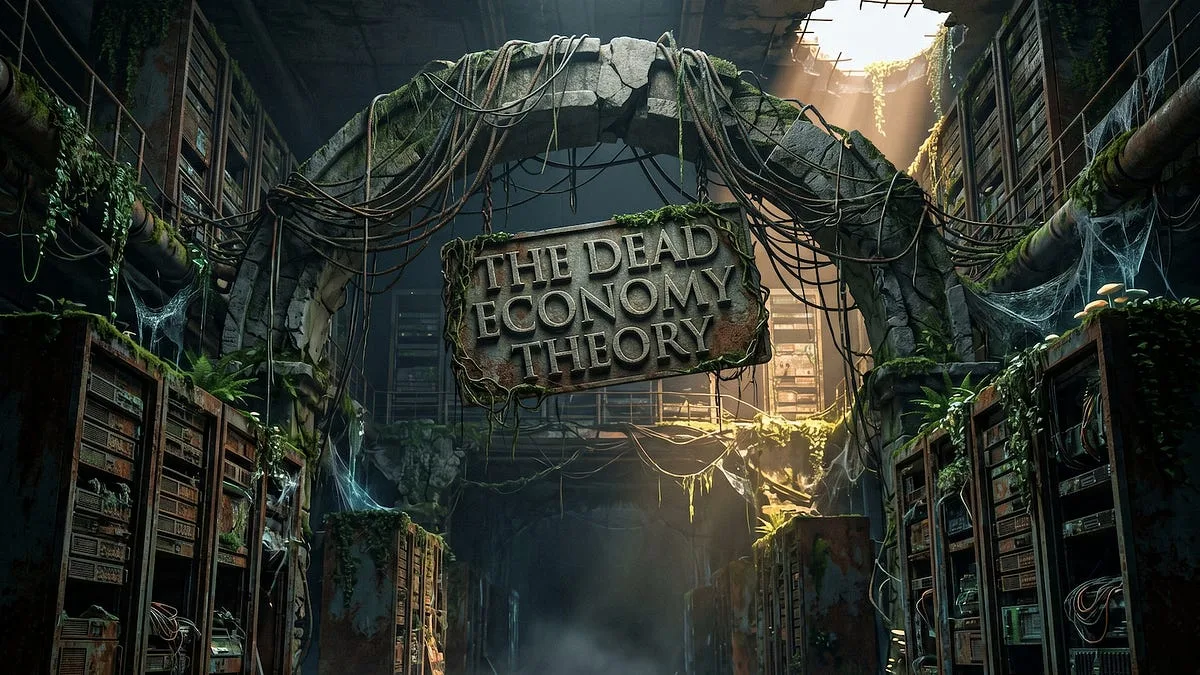
- The dead economy: when automation destroys its own customers
Owen McGrann’s dark but useful argument that AI automation can be rational for every firm and destructive for the economy they share.
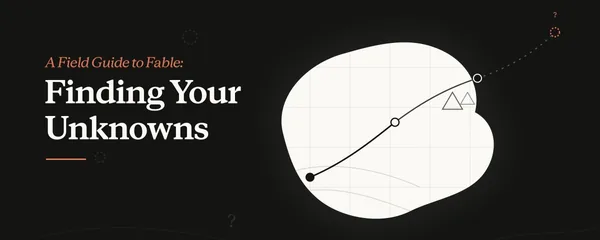
- Finding your unknowns with Claude Fable
Notes from Thariq's X Article on Claude Fable, unknown unknowns, blind-spot passes, prototypes, interviews, references, implementation notes, and why agentic coding is increasingly about discovering what the human has not specified yet.
- AI is getting good at math. The hard part is knowing what counts as progress
Notes from Dwarkesh Patel's conversation with Grant Sanderson on AI math progress, IMO gold, Millennium problems, conjectures, definitions, Lean, learning, and why the human bottleneck may move from proving theorems to judging which ideas matter.



June 2026
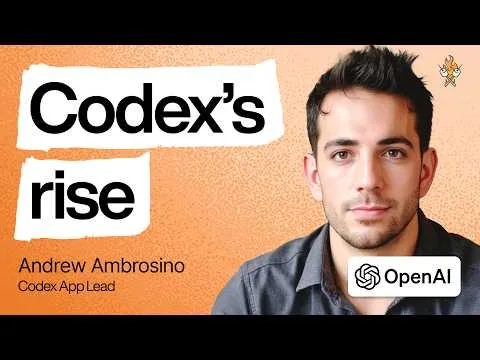
- OpenAI Codex and the new shape of product work
Notes from Lenny's Podcast with Andrew Ambrosino on Codex, cheap implementation, taste, role collapse, dogfooding, product planning, and why the future of work may look less like chat and more like a home base for delegated action.
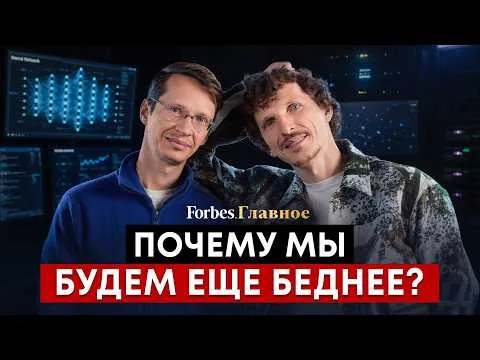
- AI as public infrastructure, not just another app
Expanded notes from the Forbes interview with the Liberman brothers on AI monopolies, pension-fund capitalism, compute bottlenecks, Gonka, agents, chips, and public AI infrastructure.
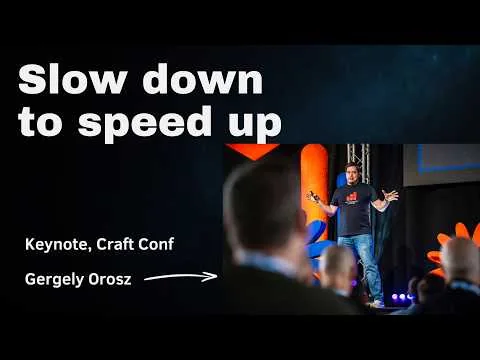
- Slow down to speed up: AI and software engineering
Notes from Gergely Orosz's talk on why AI makes code generation cheaper, but makes judgment, review, product thinking, and guardrails more valuable.